Working in partnership with neighbours to tackle pest threats
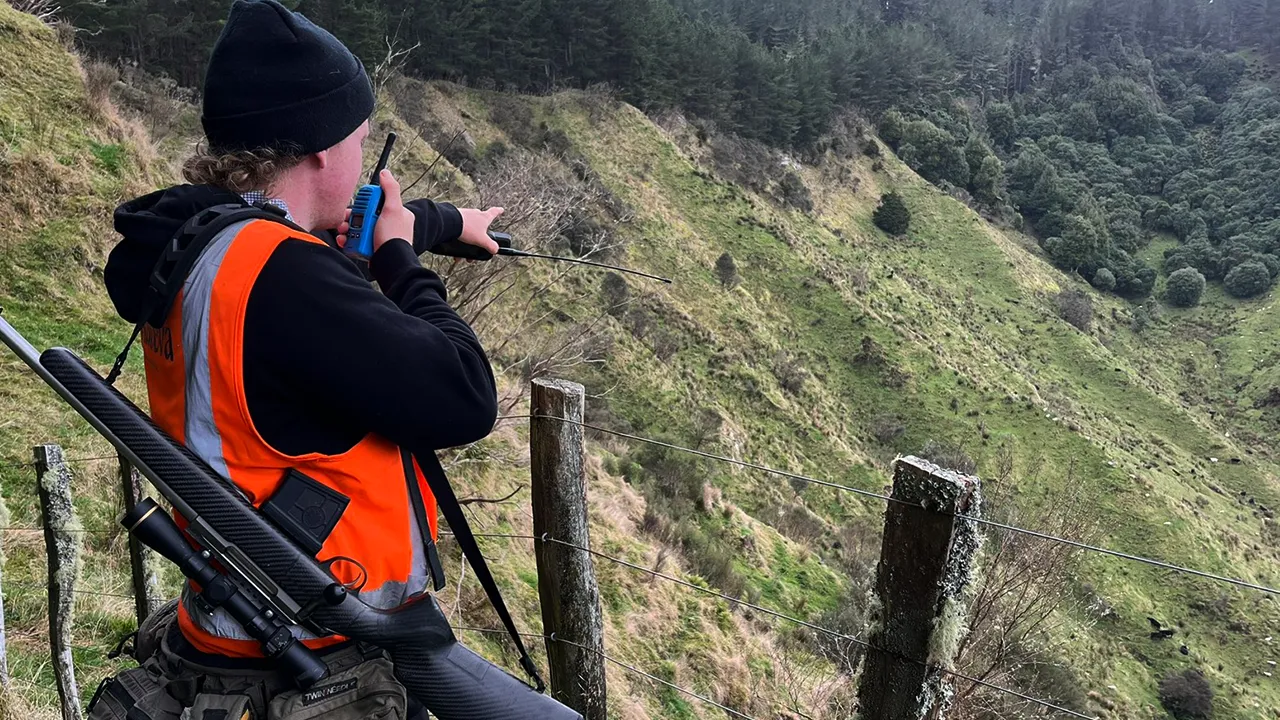
Nateva is working closely with the organisation’s rural neighbours to help tackle one of the threats to the restoration of indigenous forests – the browsing pest animals that damage native plants and seedlings.
Nateva operates one of the largest private pest control programmes in the country, in a nationwide operation that has removed almost 200,000 goats, deer and other pest animals. The organisation contracts professional pest operators to not only clear land in preparation for planting, but to also constantly manage pests to prevent reinvasion of its regenerating forests.
Preventing reinvasion
An important part of the operation involves working closely with Nateva’s neighbours to extend the professional pest hunting programme onto their land, creating a buffer zone in which to intercept animals re-entering the forest as it matures. The organisation has established more than 25 buffer zone agreements with neighbours, protecting 16 separate forests.
Nateva National Pest Manager, Luke Shadbolt says the buffer zones have been highly effective, not only in protecting the regenerating forests, but also in reducing pest damage on neighbouring properties.
“By having this long-term relationship, we’re effectively keeping the pest animal population right down in the area – not just in our forest, but also on the neighbouring farms,” says Luke.
“We’ve actually had a number of farmers come to us over the years and say, ‘what you’re doing is having a real impact, because I’ve got twice as much grass, I’ve got more stock on, and I’m seeing less pest animal damage’.”
Professional operation
That mutually beneficial relationship usually begins after neighbouring property owners have had the opportunity to observe the quality of the Nateva pest programme.
“There’s often a bit of scepticism at first,” says Luke, “but once they’ve looked over the fence for a while and see how professional the operation is, we tend to get more cooperation over time.”
Luke says because the organisation puts a great deal of emphasis on communication with neighbours, especially around health and safety, Nateva’s pest control team has developed an excellent working relationship with their local community.
“When we’ve got an agreement in place, the team also keeps an eye on the buffer zone area in the neighbour’s property, fixes up gates and fences or identifies track slips or blow outs they’re not aware of,” says Luke. “I’m even happy for our pest guys to lend a hand with mustering stock if they need to – so it ends up being a pretty good relationship.”
Tailored programme
Luke says the terms of the operation in the buffer zones – which typically extend around 200 – 300 metres onto neighbouring property from their boundary with an Nateva forest – are established based on the neighbour’s requirements.
“For example, some of the farmers like to hunt stags in the roar, so we’ll only take the hinds – and let them know if there’s a trophy animal down in the paddock,” says Luke.
“One of our neighbours bought a bush block which is in the final stages of a kiwi release programme. So our predator trapping programme, in conjunction with their programme, was a really important aspect of their kiwi release application.”
Sharing success
After an initial knock down period, when Nateva pest control operators are onsite about five or six days a fortnight, and typically removing hundreds of pests, the maintenance programme involves around 10 – 20 hours on site a fortnight. This means the team is able to maintain a comprehensive picture of pest issues in the area.
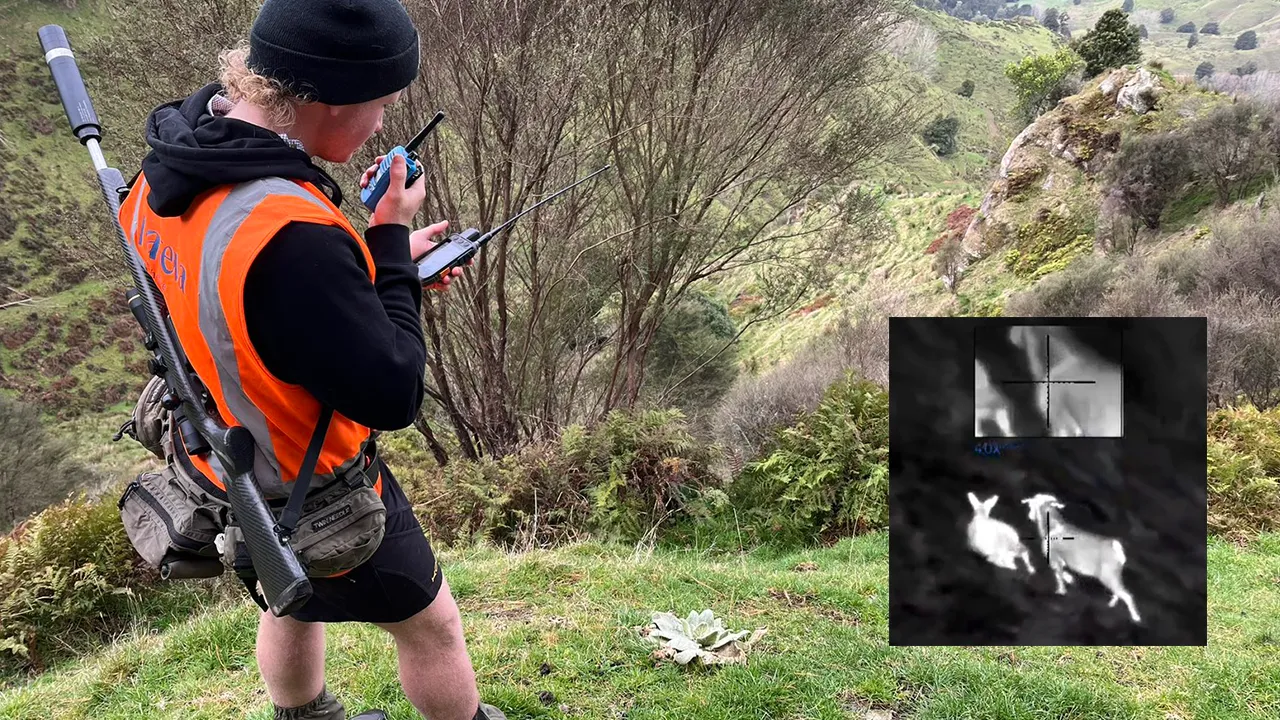
Luke says Nateva also shares details of the programme’s successes with neighbours, with pest control operators using thermal sights, video and even drones to survey pest animals.
“Some of the neighbours have been quite surprised at the number of animals they have on their property, especially at night, when we show them the video or the heat maps the team produces.”
“But that’s the beauty of the buffer zone programme – we can get on with clearing the land of pests and they can focus on farming, without pressure on their land from all the additional pest animals.”