Helping prepare a community
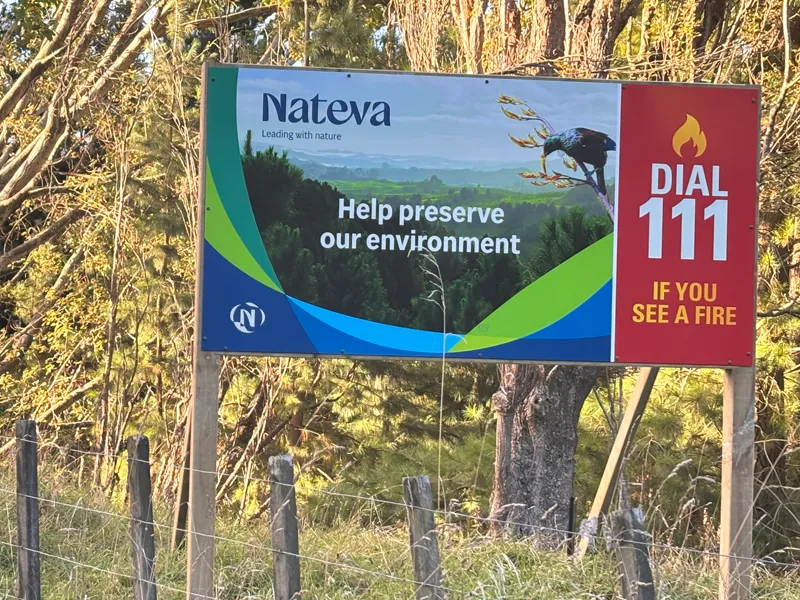
While the changing climate and extreme weather conditions can exacerbate the risk of fire, over 98% of wildfires in New Zealand are the result of human activity. This makes focusing on the ‘people’ issue, through good planning, education and forest management, a key way to reduce local fire risks.
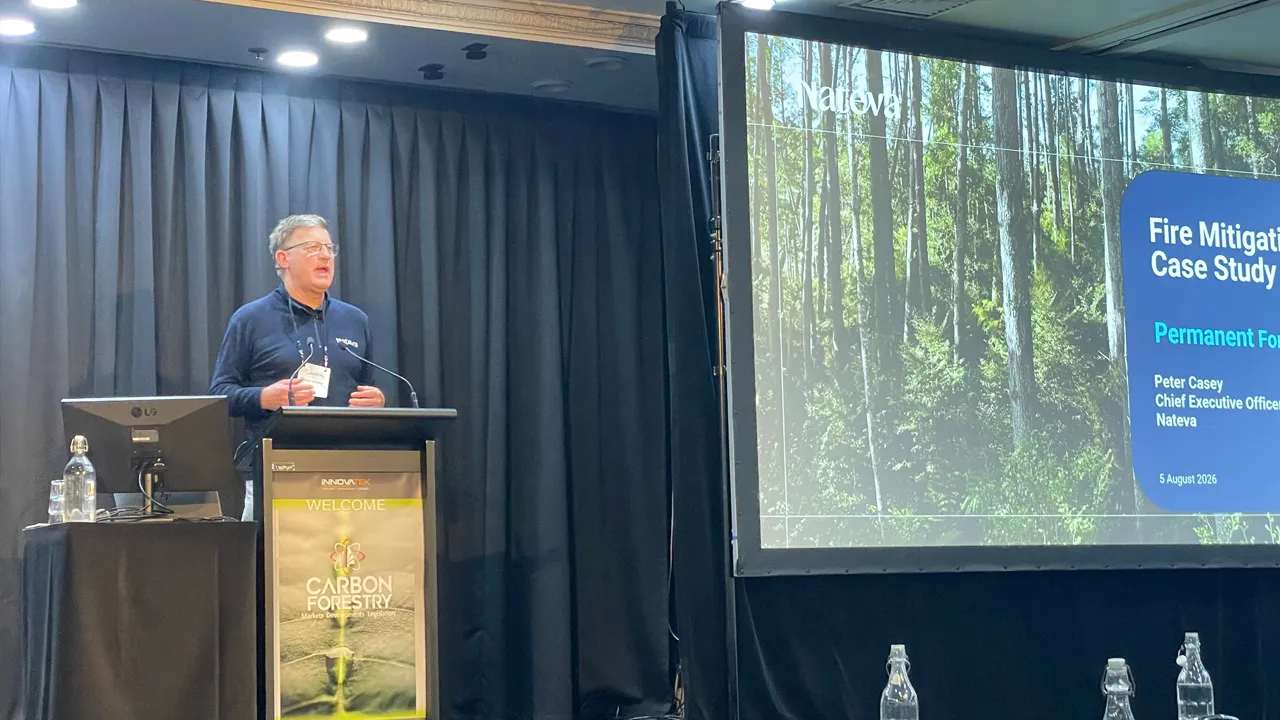
To help share a wide range of advice and experience, industry representatives and stakeholders attended a workshop to discuss wildfire risk as the concluding event for the 2026 Carbon Forestry Conference.
The workshop featured four presentations covering wildfire hazards, risk assessment methodologies, decision-support tools, mitigation options, and lessons learned from case studies. Speakers from Fire and Emergency New Zealand (FENZ), Te Uru Rakau, Nateva and Bioeconomy Science Institute highlighted both current knowledge and emerging approaches for understanding and managing wildfire risk.
An assessment of fire hazards by the Bioeconomy Science Institute wildfire science team underscored the role people play in local wildfires. A wide range of recreational activity, from hunting and tramping to motorsports and firewood collection occurs in local forests. Some activities – which are generally not permitted by forest owners – are of greater concern due to the level of risk they create. These include the lighting of bonfires and fireworks, and vehicles being dumped, burned out or raced in the vicinity.
The use of equipment and machinery within the forest are also a potential source of ignition, while a range of common activities on neighbouring properties, from burn offs to vehicle engines, can also be a risk of spreading fire.
Te Uru Rākau emphasised that wildfire is a rural issue, rather than solely a forestry issue. They underscored the importance of embedding awareness and reduction in all conversations, planning and field work.
The organisation also highlighted the range of information available for forest owners and managers to identify the risks they face. Using this information, landowners and managers can create wildfire risk management plans that draw on local data, site topography, weather, species and management of a forest, to help protect the key values – from people to property – of each site.
FENZ also offers a range of prevention advice and information, from fire weather updates to technical advice and onsite visits. The organisation manages a network of over 360 weather stations around the country, monitoring daily and hourly fire danger ratings. This data is made available to the public through the fire weather website: https://fireweather.niwa.co.nz.
The system draws on the Fire Weather Index (FWI). The FWI provides ratings of fuel dryness and potential fire behaviour – using factors like local weather, vegetation flammability and possible rate of fire spread and intensity – to give a clear assessment of localised fire risks.
This information can not only be used by FENZ to help support fire management decision making, including the setting of fire seasons and providing burn permits, but can also guide forest managers in making decisions around safe activity on site during fire weather.
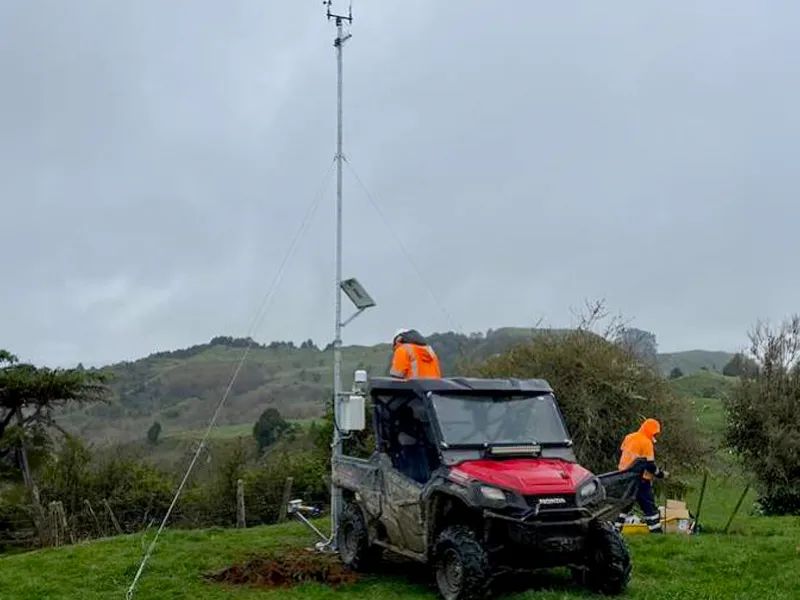
Nateva contributes to FENZ’s fire weather system through its own weather stations. As one of New Zealand’s largest forest managers, the organisation has put a great deal of effort into assessment, planning and management of fire risks.
Key activities, such as pruning along roadsides, grazing to reduce fuel – especially along roads and railway lines, identifying water sources and minimising fuel loading in the forest are all components of Nateva’s active management plan. The active management of powerline corridors and working closely with lines companies is also a key part of Nateva’s fire mitigation programme.
Each forest across its nationwide estate has an individual assessment and management plan, with land managers constantly reviewing onsite activity and local fire weather information during higher risk periods. These plans are lodged online with FENZ as a foundation for timely, shared knowledge should an incident eventuate.
Ultimately, the organisation highlights the importance of planning, preparation and good communication with staff, neighbours, local communities, Councils and FENZ as the key to long-term forest management and fire mitigation.