Targeting pest plants to protect our environment and economy
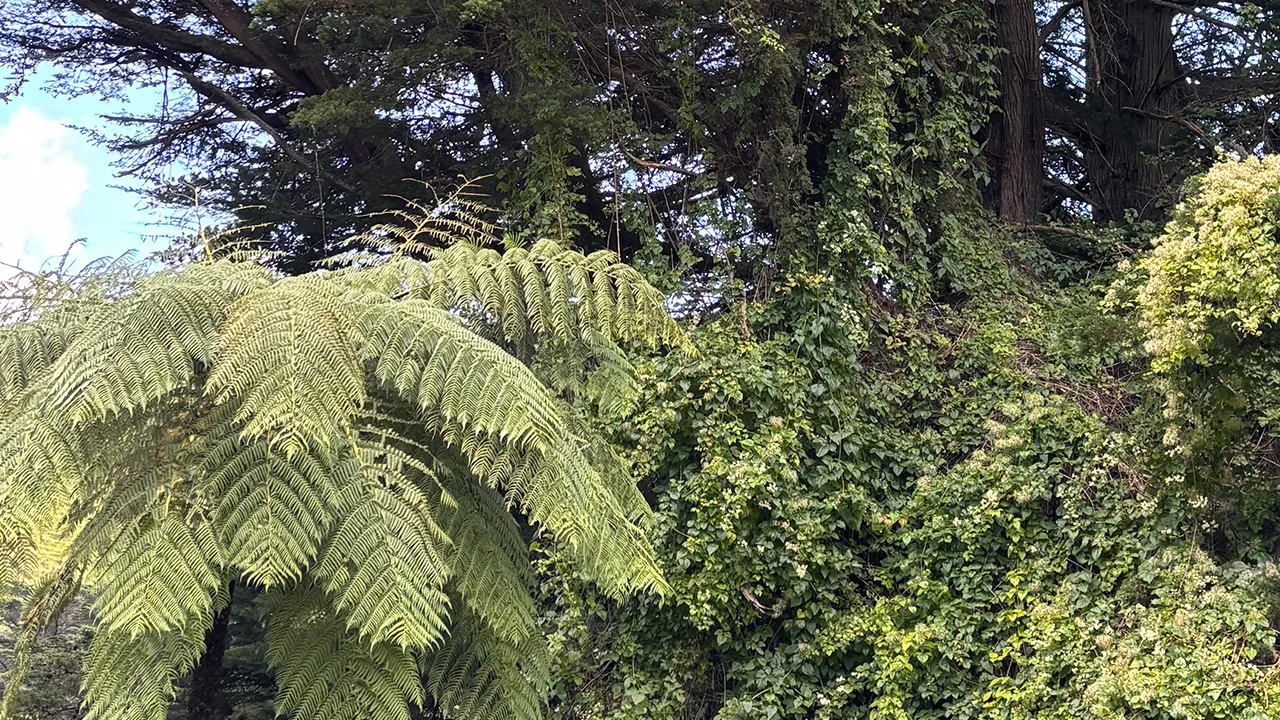
New Zealand is now home to over 20,000 species of introduced plants. While in the wrong environment, any introduced plant has the potential to cause problems, the Ministry for Primary Industries maintains a national list of 230 invasive species it categorises as ‘pest plants’.
To help protect its more than 10,000 hectares of native forest, and the regenerating native growth across its nationwide conservation estate, Nateva has a structured programme in place to identify, target and remove pest plants and prevent them spreading. In doing so, the organisation works with a number of regional councils, which also target pest species that are a particular problem in their area.
National Pest Manager Luke Shadbolt says pest plants can cause significant damage to the local environment, as well as having a major impact on New Zealand’s vital primary industries.
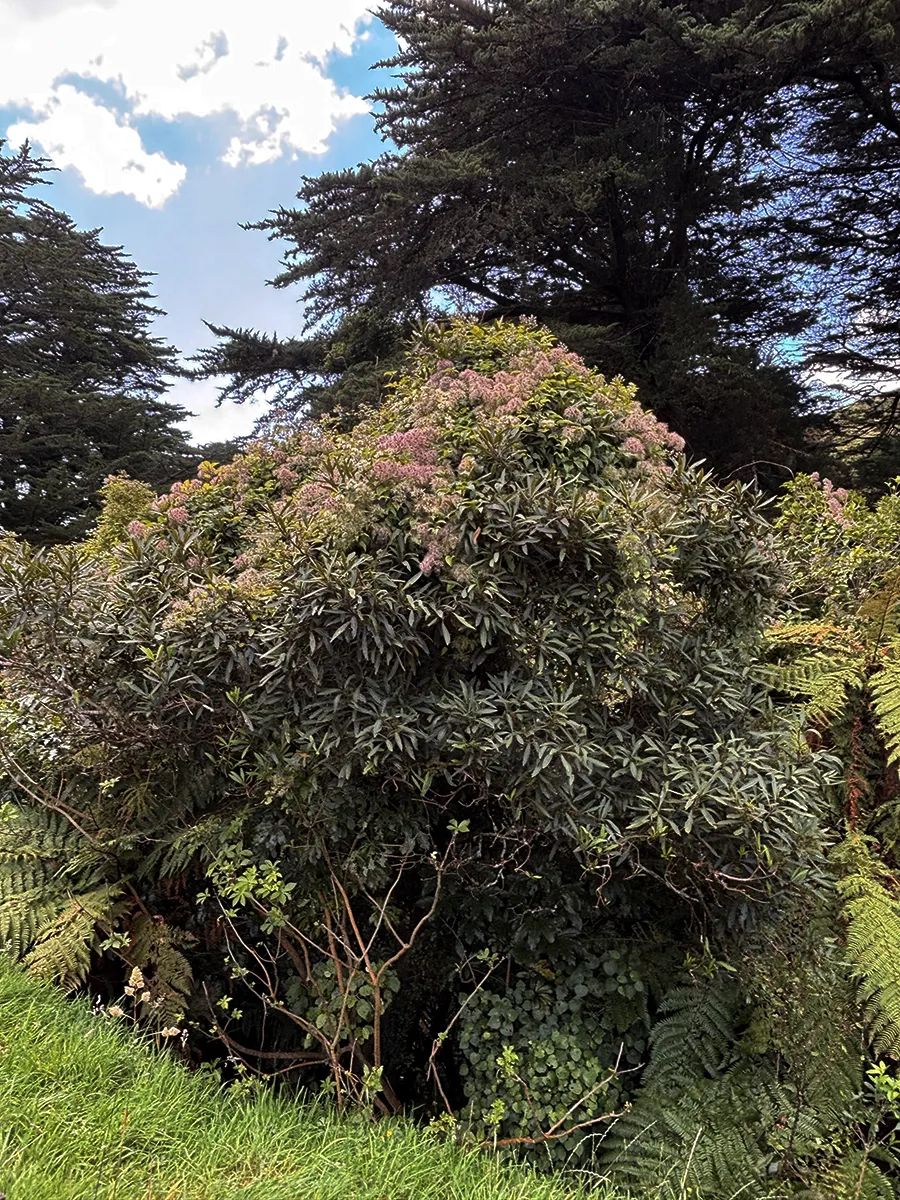
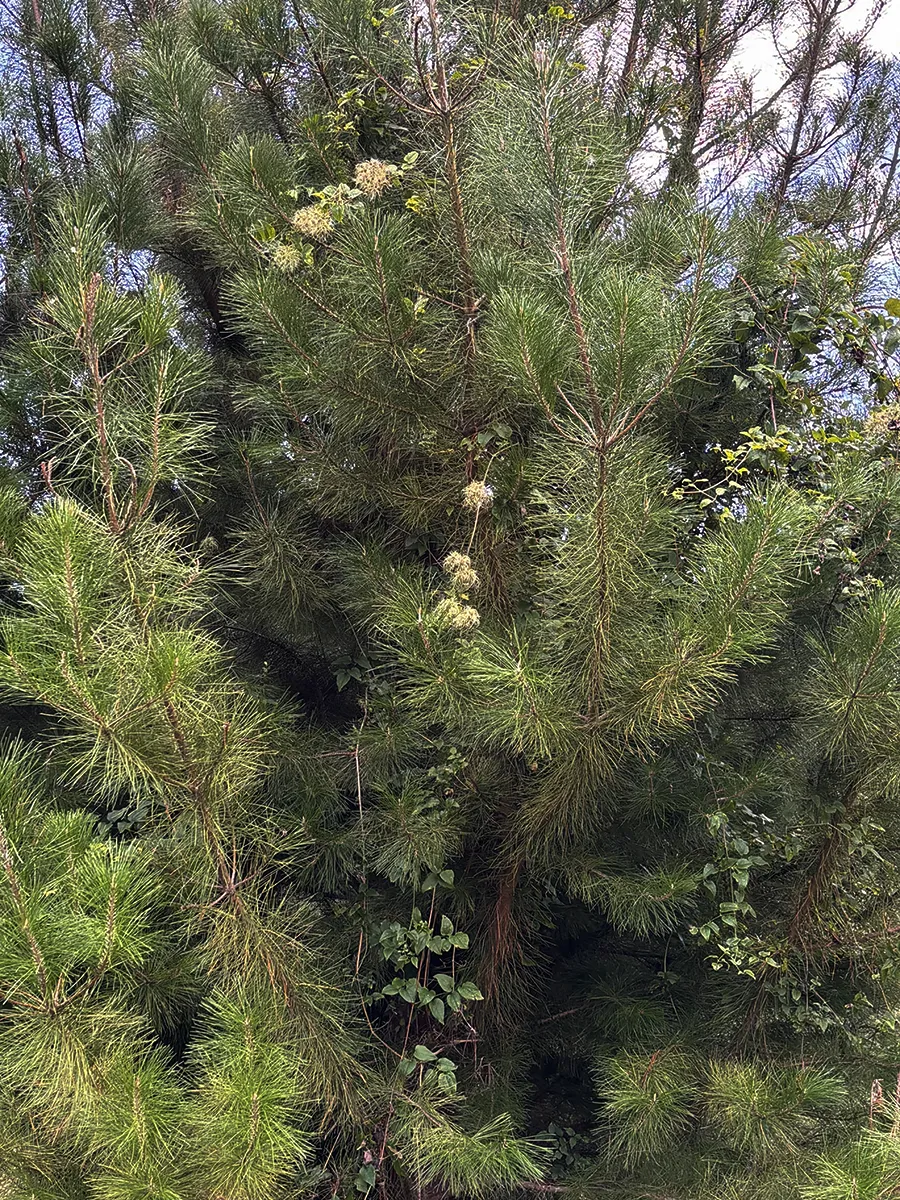
“Plants are considered pests if they have the potential to have an economic impact on our primary sector, such as grasses like nassella tussock and Chilean needle grass, which can significantly harm livestock,” says Luke.“They can also alter the landscape and the environment in a detrimental way, making it impossible for native species to thrive. Woolly nightshade and old man’s beard are examples of the kinds of pest plants which can smother native vegetation or change soil conditions.”
Education key
Luke says education is a significant part of the programme, both to help identify target pest species and support appropriate management processes.
“For example,” says Luke, “there are a number of species, such as clematis, that have both native and introduced examples, and other plants, like toetoe, which can sometime be confused with the invasive pampas grass. So, you need to be able to identify the different species to ensure you’re not targeting the native ones.”
To help build the knowledge of Nateva’s nationwide team of land managers and forest operational teams, Nateva works with regional councils to deliver regular pest plant identification and management training.
Attention is also paid to ensuring contractors and staff understand the risks of spreading invasive pest plants.
Eyes on the ground
Nateva also closely collaborates with councils in helping identify any invasion of pest plants.
“In a lot of cases the regional council will take the lead and do the plant eradication, but they just need eyes on the ground to actually identify where problem plants are so that the appropriate action can be taken,” says Luke.
Nateva also contributes to the councils’ efforts, by facilitating access for contractors working on regional management or eradication programmes, as well as directly removing pest plants where appropriate. Other control measures include collaborating with councils to introduce biological controls, such as mites for old man’s beard and gorse weevils, where environmental conditions are suitable.
As part of Nateva’s focus on fire prevention, the team also takes a proactive approach to removing fuel sources, like pampas grass, from roadside and track sites.
Supported by technology
Given the challenges presented by identifying a pest species invasion across a wide area and in remote sites, the Nateva team uses a range of technology to help support the control programme.
“A characteristic of pest plants is they generally invade up waterways and steep creeks, as well as ravines and cliff edges,” says Luke. “A lot of them are spread by birds, because pest plants produce berries and fruit which are desirable for birds to eat. And wind-blown seeds can also travel some significant distance.”
To reach across the forest, and into the high canopy where creeper vines can be hard to see from the ground, Nateva land managers regularly use drones to check for evidence of pest plants when they are doing aerial surveys to monitor forest health.
Nateva also uses a Geographic Information System (GIS), which enables land managers and staff to record any evidence of pest plant invasion, where they are finding them, any actions taken and plans for later removal.
A role for everyone
Luke says anyone who enjoys New Zealand’s native bush, from trampers and recreational hunters to farmers and landowners, as well as city gardeners and international travellers can play a role helping prevent the spread of invasive pest plants.
“A lot of the pest plants that we have in New Zealand were deliberately introduced for urban gardens,” says Luke. “Some of the very worst of them, like old man’s beard, were brought in as an ornamental garden species and for flower arrangement.”
“The problem is, they’ve come to New Zealand and found a really favourable environment for growth with none of their natural predators – much like our pest animals.”
Luke says our border protection plays a vital role in keeping serious pest species out, particularly where the plants are targeted for eradication from New Zealand. However, for the many species that are now endemic in the country, control and preventing the spread of plants from region to region is the best option.
“So if you’re hunting, tramping or on a farm, it’s about being mindful of any grass seeds or soil matter on your boots or in your tyres, if you’re travelling to another area,” says Luke. “Likewise, if people see plants that they’re not familiar with or that look unusual in the environment, check what they are, and if necessary, report it to the regional council.”
“We can all play a role in minimising the impact of pest plants – not only for our native environment, but for the protection of our primary industries and the communities that depend on them.”