Supporting careers protecting NZ’s biodiversity
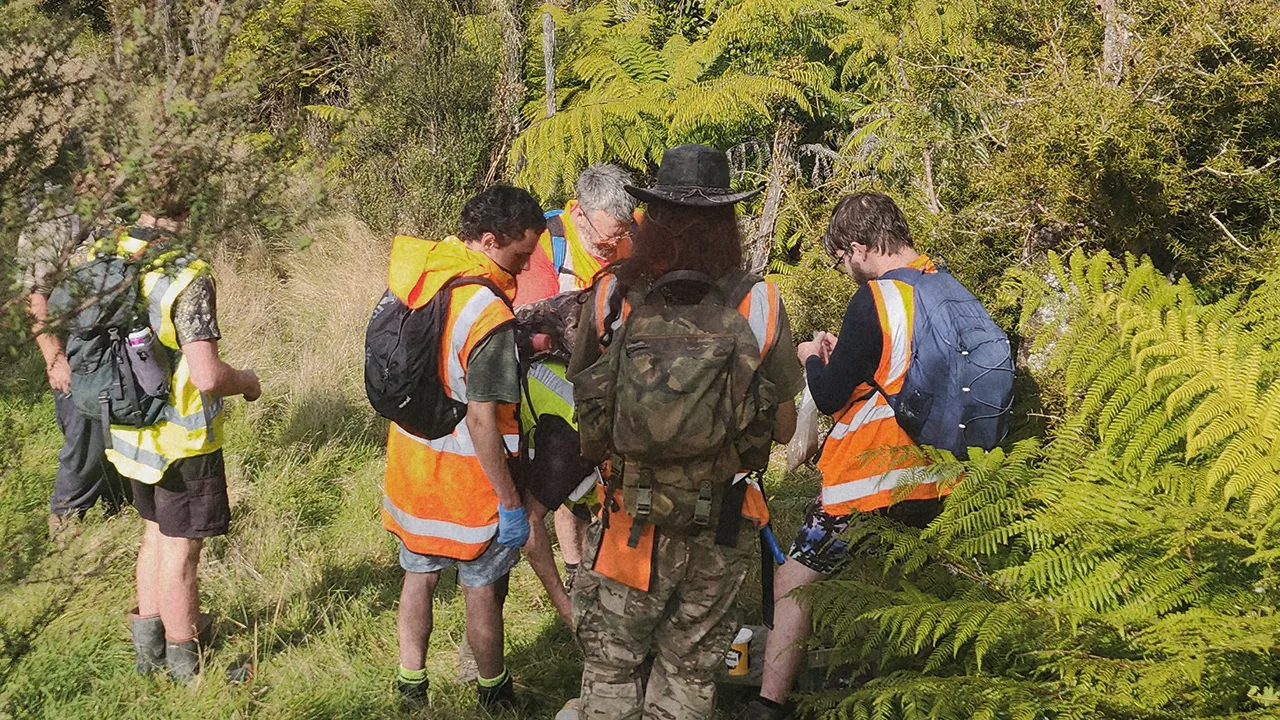
Whether it’s looking for a change in career, doing something to help the environment, protecting biodiversity, or pursuing a passion for the outdoors, more and more Kiwis are seeking training in professional pest management.
To support local people embarking on a career in pest management, Nateva is providing access to real world environments within its forests and the expertise of its team, as well as the chance to work with a wide range of the latest trapping techniques and technology.
Working with Western Institute of Technology at Taranaki
The Western Institute of Technology at Taranaki (WITT) runs a Level 3 course in rural plant and animal pest control. WITT also offers a Level 4 diploma in conservation and a Level 5 diploma in environmental management, with high demand for every stage of the course.
Nateva’s Pest Animal Eradication Manager Luke Shadbolt, a former student of the programme, has been working with the institute for around five years. He provides both classroom training and a field programme in Nateva’s conservation estate.
“When I started working for Nateva, I saw a good opportunity to get the WITT students involved in some of the pest animal work in our forests,” says Luke. “The aim was to help them with the practical work experience they need to give them a head start into employment at the end of the course.”
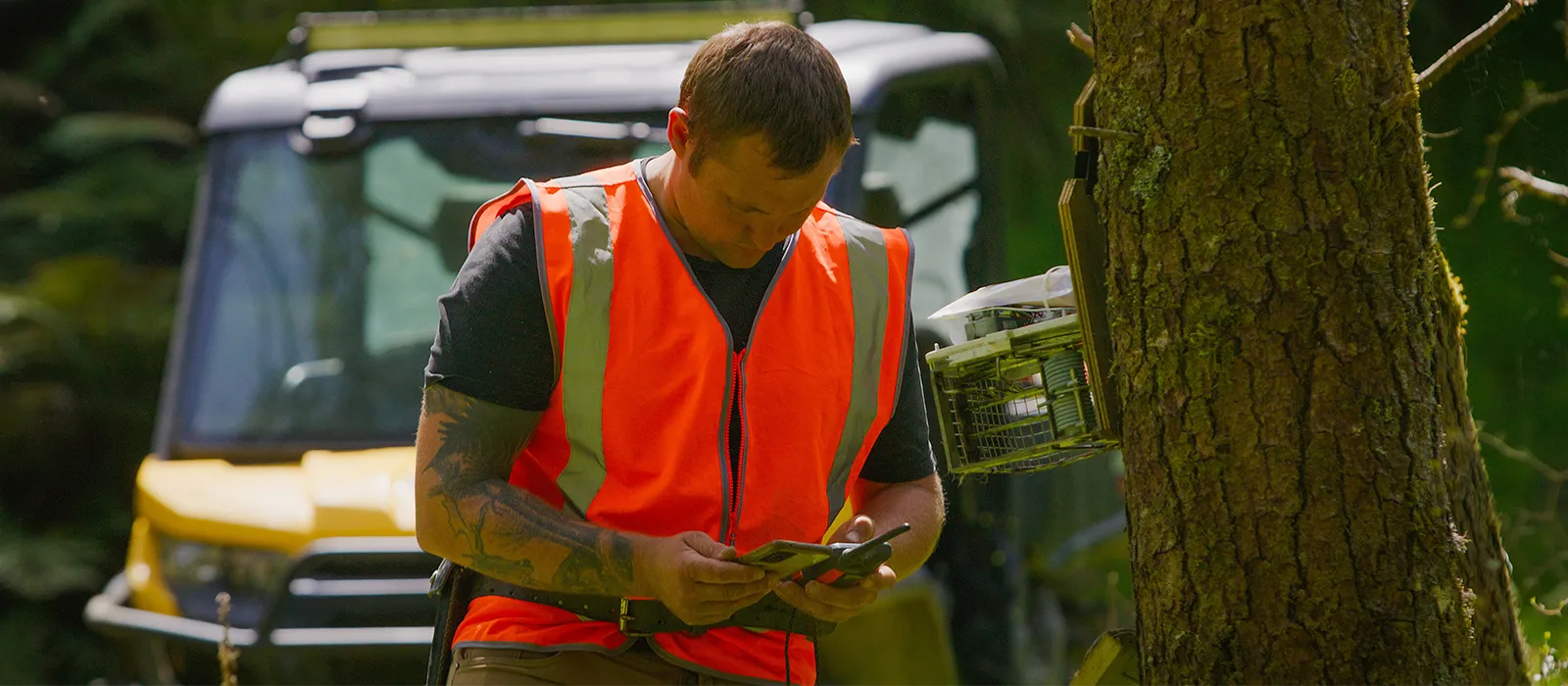
“There are three forests we have given them access to that have established trapping programmes.
Those forests have examples of pretty much every commercial trap available in New Zealand, so they can get experience in handling them.”
“So they’re getting good practical knowledge, as well as a realistic insight into what it means to be a professional pest operator or conservation volunteer.”
As well as pest animals, the students also get valuable insight into managing invasive plant species.
“While we have about 40 pest animal species in New Zealand, there are approximately 25,000 introduced plants including approximately 400 that are considered invasive pest plants – so it’s an enormous problem, which we need to focus on through identification and control.”
Luke says the programme has also been continually evolving to ensure it is relevant to the industry.
“WITT has gone out to industry leaders and incorporated new skills and training, from IT and operational planning to chemical handling, to help make graduates more employable.”
Real world experience
WITT Pest Operations Tutor Daniel Waterson says the biggest draw for students from Nateva’s collaborative relationship is the unique experience they are able to get from seeing the pest programme in action.
“You can’t simulate what it’s going to be like to work in the industry unless you actually take the group and let them work alongside the real industry professionals,” says Dan. “It just it gives the group a real world experience, to work alongside people that are doing it every day and share their knowledge.”
Dan says the design and expertise involved in Nateva’s programme also gives students an insight into the future of the industry.
“Nateva is leading the industry in regards to baits and lures, trap site location and design and all those sorts of things,” says Dan. “It’s just so different than what all of the other people within the industry are doing.”
“Nateva is just thinking way outside the box, and the students are so impressed with how the trapping projects are managed and serviced.”
Wide ranging expertise
As well as providing practical experience in the forest environment, Luke also supports the students with in-depth guidance, based on his wide-ranging experience in search and rescue, operational planning and professional pest management.
“I talk to them about what I’ve learned from my history of running search and rescue for the New Zealand Police for a couple of decades, as well as the need for operational planning, and the processes – including health and safety – they need to be following to operate safely and professionally,” says Luke.
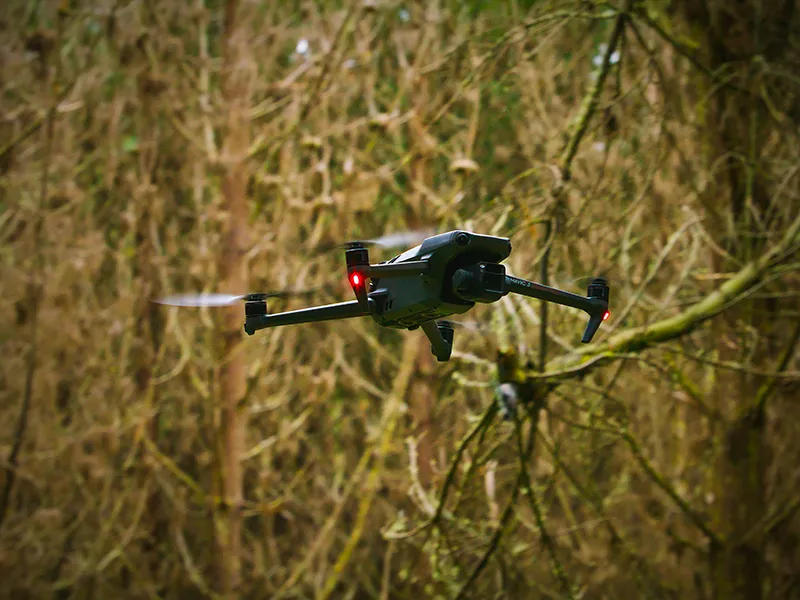
“I also teach them about what professional practice actually looks like in the field now, and the developing trends like the use of drones, thermal imaging and LIDAR – all of which are coming into more widespread use.”
Luke says people of all backgrounds and abilities are becoming involved in the industry, from students, to people retraining from careers in business and IT, to retirees volunteering in their local community.
“I think around half of the course currently are people looking for a career change. It’s an exciting time, because there is a career path for people in the pest industry,” says Luke. “I also believe it is really inspiring that people are engaged in trying to sort out the pest animal and pest plant problem in New Zealand – the conservation side of it is quite an exciting area to be involved in.”
Involvement in the WITT course has also helped give the students involved more insight into the work Nateva does.
“Some people come in with preconceived ideas about long term permanent forest management and the role carbon sequestration plays in enabling good long term land stewardship ,” says Luke. “So when we show them what we do in Nateva, our points of difference and our investment in pest management, that changes attitudes – light bulbs go on and some of them come away with quite a different opinion of what we do.”
A diverse career
Luke also remains involved with the students as they complete their education, and look to make the transition into a professional pest management career.
“At the end of it, Dan Waterson will often put the guys and girls who are interested in this as a career back in contact with me to give them some advice or ongoing mentoring,” says Luke. “I’ve also employed a couple of them – it’s a great opportunity to see how they work in a real world environment – and provided references and recommendations for others.”
Luke says ultimately, a career in professional pest management offers a range of rewards beyond just having a job.
“You can make a decent living, but what I also talk to the students about is the opportunity to work in the outdoors, to travel the world to participate in pest operations – from the Galapagos to the Pacific Islands, to work in a variety of roles, such as becoming a biodiversity ranger, and be part of some really rewarding programmes.”